We celebrate grit. Follow-through, discipline, “never give up” — these are the traits we put on résumés and motivational posters. And they’re earned; finishing what you start is genuinely rare.
But Marcus Aurelius, writing to himself nearly two thousand years ago, flags the trap hiding inside that virtue: an “iron will” that can’t bend when new facts arrive isn’t strength — it’s a liability waiting to happen. He calls changing your mind, when the evidence warrants it, an act of free will too. Not weakness. Not backtracking. A choice, made with the same intelligence that made the original plan.
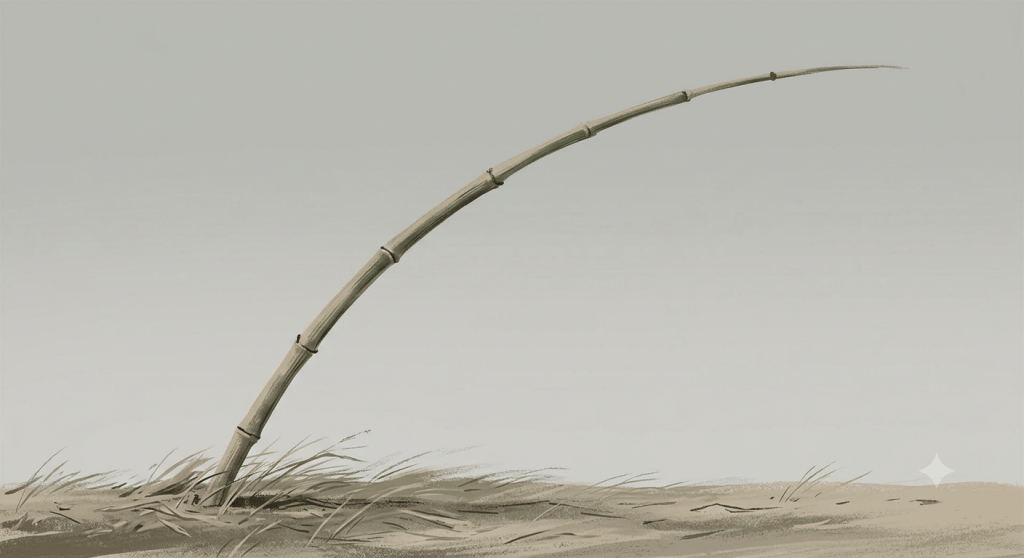
I ran into a small version of this recently. I’m mid-novel, with a nightly word-count target I hold myself to — and I paused it to go read soldiers’ letters from the First World War, research for one of the book’s timelines. No words got added that week. By the “iron will” standard, that’s a broken streak. But the plan was never really “hit 500 words a night” — it was “write the book well.” The letters serve that goal more than another rushed chapter would have.
The Stoic reframe is simple but not easy: your will should serve your judgment, not the other way around. Perception, impulse, and judgment update as new information comes in — the will is supposed to follow. A plan that can’t be revised isn’t discipline; it’s a robot executing yesterday’s instructions.
The real skill, then, isn’t holding firm or changing course — it’s telling the difference between a signal you should act on and a difficulty you should push through. That’s harder than either extreme, which is probably why we default to one or the other.
Flexibility, combined with strength, is what makes us resilient — not stubbornness dressed up as resolve.
 Rohit Pruthi
Leave a comment